0%

Choosing Microgrid Wind Energy Systems in 2026 requires more than comparing turbine ratings or advertised efficiency. A reliable decision begins with the site: average wind speed, turbulence, terrain, seasonal weather, and nearby obstacles. A coastal industrial park may experience strong winds, while a rural clinic may face weaker but steadier airflow. These differences shape turbine size, tower height, battery capacity, and expected operating costs.

The strongest evaluation also studies the microgrid’s real demand. Hospitals, farms, data rooms, and remote communities need different power profiles. Review hourly consumption, peak loads, backup requirements, and planned electric vehicles. Then examine how the turbine connects with solar panels, storage, generators, and control software. Protection systems, islanding performance, maintenance access, noise limits, and local interconnection rules deserve equal attention. Small details matter.

A practical buyer should request independently verified performance data, warranty terms, service response times, and degradation assumptions. Factory tests are useful, but field conditions can be less forgiving. Dust, icing, salt air, and difficult roads may reduce output or increase maintenance. That part is easy to underestimate.

No model is perfect.

A strong supplier should explain uncertainties instead of hiding them behind optimistic forecasts. Compare lifecycle cost, not only the initial purchase price. Include installation, inspections, replacement parts, financing, and end-of-life planning. Experts should also test several wind and demand scenarios before approval. Even then, the final choice may involve compromise. The cheapest system may not provide dependable resilience, while the largest system may remain underused. Careful evidence, transparent assumptions, and experienced local support create a more trustworthy path into 2026.
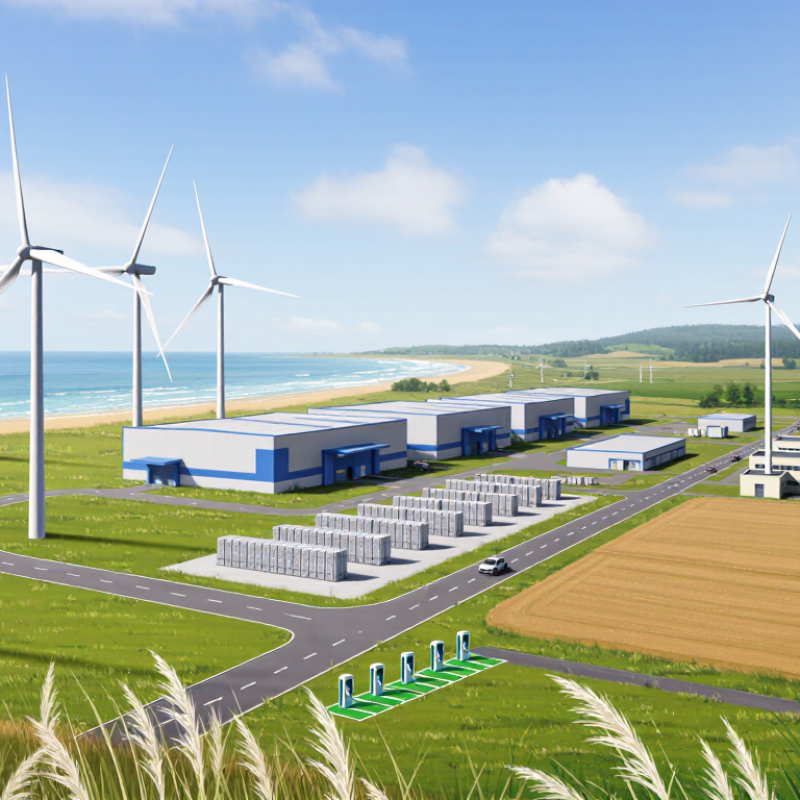
How to Choose Microgrid Wind Energy Systems in 2026?

What Are Microgrid Wind Energy Systems in 2026?

How to Choose Microgrid Wind Energy Systems in 2026?

A microgrid wind energy system is a local electricity network with a wind turbine at its center. It may include batteries, inverters, protection equipment, controllers, and backup generation. These parts work together for homes, farms, campuses, or remote facilities. The system can operate with the public grid or continue during an outage. In 2026, improved forecasting and digital controls help balance changing wind conditions. However, software cannot fix poor site planning.

Choose the system according to measured wind speed, local weather, energy demand, and available land. A professional assessment should examine turbulence, tower height, noise, maintenance access, and wildlife risks. Review hourly electricity use, not only the annual total. A small clinic may need stable battery power after sunset, even when the turbine is producing little energy. The cheapest turbine may create higher costs if replacement parts are difficult to obtain. That matters.

Tips: Request a twelve-month wind study. Compare usable energy, not rated capacity. Check battery safety systems and emergency shutdown controls. Ask for clear maintenance records and performance guarantees. Leave room for human error; real sites rarely behave like simulations. Independent engineering advice can reveal weak assumptions before construction begins. A practical design also allows manual inspection when sensors fail. Reliability needs patience.

How to Assess Site Conditions and Wind Resources

Choosing a microgrid wind energy system in 2026 starts with the site, not the turbine. Measure wind speed at the planned hub height whenever possible. Short masts can miss stronger winds above trees, rooftops, or nearby ridges. A single measurement point is rarely enough.

The Global Wind Report 2025 recorded 117 gigawatts of new wind capacity in 2024, lifting global capacity above 1,100 gigawatts. This growth increases the value of disciplined resource assessment. Collect at least twelve months of wind data, then compare it with long-term records from meteorological stations or validated reanalysis datasets. Check wind speed, direction, turbulence, seasonal changes, and extreme gusts. Wind shear matters. So does wake loss from hills, buildings, and other turbines.

Use IEC 61400-12-1 methods when evaluating power performance and measurement quality. The International Renewable Energy Agency reported continued cost reductions for onshore wind in its Renewable Power Generation Costs 2023 report, but low equipment cost cannot repair a poor site. Review soil conditions, access roads, flood exposure, grid distance, and battery placement together. A windy ridge may still fail if construction access is difficult. Early desktop models can look convincing, yet local turbulence may reduce output sharply. That uncertainty deserves a contingency margin. Mistakes happen when developers trust averages instead of patterns. Keep the data transparent, document missing readings, and repeat measurements after major site changes.

How to Match Turbines, Storage, and Grid Controls

How to Choose Microgrid Wind Energy Systems in 2026?

Choosing a microgrid wind system starts with matching the turbine to the site, not the brochure. Measure average wind speed, turbulence, seasonal changes, and nearby obstacles. A smaller turbine may perform better in rough terrain than a larger model designed for smooth coastal winds. Check the turbine’s operating range and maintenance access. Difficult access can quietly increase lifetime costs.

Storage must match both wind behavior and local demand. Use batteries for rapid balancing, evening loads, and short outages. If the site needs longer backup, calculate energy capacity separately from power capacity. A battery that handles high power may still empty quickly. Model winter production, not only annual averages. This is where many early designs become too optimistic. Grid controls should coordinate turbines, batteries, backup generation, and critical loads. They need clear rules for voltage, frequency, islanding, reconnection, and emergency shutdowns. Test these sequences before installation.

Tips: Measure before buying. Keep a month-by-month load profile. Ask for verified performance data from comparable climates. Leave space for future battery modules and control upgrades. Use independent electrical reviews when possible. Small is not weak. In some sites, fewer moving parts and slower controls may improve reliability, although they can reduce short-term flexibility. Review the design after real operating data arrives; the first assumption is rarely perfect.

How to Choose Microgrid Wind Energy Systems in 2026? - How to Match Turbines, Storage, and Grid Controls

A practical comparison framework for selecting wind turbines, energy storage, and control functions according to site wind resources, load behavior, grid conditions, and resilience requirements.

Microgrid Application Typical Load Profile Recommended Wind Turbine Configuration Indicative Turbine Rating Suitable Wind Resource Recommended Storage Starting Point Storage Power-to-Energy Ratio Grid-Control Functions Key Design Considerations
Remote Telecom or Monitoring Site Low but continuous demand; commonly 1–20 kW average load with limited short-duration peaks. One small variable-speed turbine with a diversion load or hybrid charge controller. 5–30 kW Preferably an annual average wind speed of at least 5 m/s at hub height; confirm with site measurements or a validated wind assessment. 2–4 days of critical-load autonomy; approximately 50–200 kWh for a 10–20 kW site. 0.25–0.50 C for routine cycling; higher short-term power may be required for communications and protection equipment. State-of-charge control, low-voltage load shedding, remote monitoring, automatic start of backup generation, and black-start capability. Prioritize low maintenance, cold-weather performance, corrosion protection, lightning protection, and simple remote service procedures.
Agricultural or Rural Community Microgrid Variable daytime demand from pumps, refrigeration, workshops, and household loads; seasonal peaks are common. One or more small or medium turbines combined with solar generation and dispatchable backup. 30–250 kW Annual average wind speed of approximately 5.5–7 m/s, with careful assessment of turbulence and seasonal wind patterns. 4–8 hours of average load, commonly 0.2–2 MWh depending on community size and critical-load requirements. 0.50–1.00 C to manage evening ramps, pump starts, and short periods of low renewable output. Peak shaving, renewable curtailment, demand response, feeder protection, load prioritization, and automatic islanding. Match turbine output to local distribution limits; include motor-starting analysis and enough reserve for irrigation or refrigeration loads.
Island Resort or Small Island Grid Strong seasonal variation; daytime cooling loads and evening tourism-related peaks can be substantial. Multiple medium-scale turbines configured for coordinated operation with solar, storage, and existing thermal generation. 250 kW–2 MW total Typically target an annual average wind speed above 6 m/s; evaluate typhoon, hurricane, salt-spray, and extreme gust conditions where applicable. 2–6 hours of average load, often 1–10 MWh, with additional reserve for fast frequency support. 0.50–1.00 C for frequency response and ramp control; the energy duration should be sized separately from fast-response power. Grid-forming operation, synthetic inertia or fast frequency response, spinning-reserve replacement, black start, and renewable forecasting. Control reverse power flow, maintain minimum thermal-generator loading where necessary, and verify fault-current behavior in island mode.
Industrial Facility with Demand Charges High and relatively steady load with large motor starts, process peaks, and penalties for demand spikes or poor power quality. Medium or large turbines connected through a plant-level energy management system and coordinated with on-site generation. 500 kW–5 MW total Generally more attractive above 6 m/s annual average wind speed, subject to turbulence, wake, and permitting constraints. 1–3 hours of peak-demand coverage; commonly 1–20 MWh depending on peak magnitude and tariff structure. 1.00–2.00 C for rapid peak shaving and process support; longer duration may be selected for outage protection. Power-quality control, ramp-rate limiting, demand-charge optimization, power-factor support, protection coordination, and seamless transfer. Use measured interval load data; model transformer capacity, harmonic limits, fault levels, and production downtime costs before final sizing.
Critical Facility or Emergency-Resilience Microgrid Hospitals, emergency centers, shelters, or public-safety facilities with strict continuity requirements and prioritized loads. Wind turbines used as one renewable source within a diversified system that includes storage and firm backup generation. 100 kW–3 MW total Site-specific; reliability value is strongest where wind complements solar and is available during expected emergency seasons. 8–24 hours of critical-load autonomy, supplemented by fuel-based backup sized for extended outages. 0.25–1.00 C, depending on whether storage is designed primarily for ride-through, frequency support, or extended backup. Certified islanding, black start, automatic transfer, critical-load shedding, cybersecurity controls, redundant communications, and manual override. Design around critical-load tiers, protection selectivity, fuel logistics, N+1 control equipment, and verified restoration procedures.
Commercial or Campus Microgrid Predictable weekday occupancy profile with morning ramp-up, daytime cooling loads, and lower overnight demand. One or more medium turbines integrated with rooftop or ground-mounted solar, batteries, and building-management controls. 100 kW–2 MW total Usually requires at least 5.5–6.5 m/s annual average wind speed unless the site has favorable permitting and high electricity costs. 2–4 hours of average load, commonly 0.5–8 MWh, sized to reduce peaks and shift renewable energy. 0.50–1.00 C for daily energy shifting and building-load management. Forecast-based dispatch, demand response, HVAC coordination, export limiting, power-factor correction, and time-of-use optimization. Assess visual impact, noise, setbacks, building vibration, aviation restrictions, and the actual value of exported electricity.
Weak-Grid or Distribution-Edge Microgrid Loads may be moderate, but voltage excursions, outages, and limited feeder capacity create operational constraints. Small or medium turbines with inverter-based storage and a controller capable of voltage and power-flow management. 50 kW–1 MW total Preferably above 5.5 m/s annual average wind speed; distribution-system studies are required even at modest wind speeds. 1–4 hours of average load plus dedicated power capacity for voltage support and outage ride-through. 1.00–2.00 C when fast voltage, frequency, and ramp support are priorities. Volt-var control, volt-watt control, export limitation, feeder congestion management, fault ride-through, and adaptive protection. Coordinate with utility requirements for interconnection, anti-islanding, voltage regulation, harmonics, and maximum ramp rates.
Wind-Dominant Renewable Microgrid Renewable generation can frequently exceed local demand; extended low-wind periods may also occur. Multiple turbines with centralized forecasting, battery storage, flexible loads, and firm backup or interconnection. 1–20 MW total Often selected for sites above 6.5–7 m/s annual average wind speed, after wake, terrain, and curtailment analysis. 4–12 hours of average load; long-duration storage or dispatchable capacity may be needed for multi-day low-wind events. 0.25–1.00 C for energy shifting, with a separate fast-response reserve sized for frequency regulation. Grid-forming inverters, wind forecasting, reserve scheduling, curtailment control, synthetic inertia, black start, and multi-day dispatch optimization. Evaluate annual curtailment, loss-of-load probability, seasonal correlation with demand, transmission limits, and storage replacement costs.
Planning note: The values above are screening ranges rather than final equipment specifications. Final selection should use at least one year of interval load data, a site-specific wind assessment, turbine power curves, extreme-wind analysis, battery degradation modeling, interconnection studies, protection coordination, and applicable electrical and safety standards.

How to Compare Costs, Reliability, and Environmental Impact

How to Choose Microgrid Wind Energy Systems in 2026?

Cost should mean more than turbine price. IRENA’s Renewable Power Generation Costs in 2023 reported global onshore wind electricity costs near $0.033 per kWh. Yet a microgrid also needs batteries, controls, civil works, maintenance, and grid interconnection. Compare total lifecycle cost over 15 to 25 years. Ask for site-specific wind measurements, not optimistic brochures. A cheaper turbine can perform poorly behind trees, buildings, or rough terrain.

Reliability depends on balance. Wind output changes hourly, while hospitals, farms, and workshops need steady power. Review SAIDI, SAIFI, outage response, battery round-trip efficiency, and black-start capability. The IEA’s Renewables 2024 report expects renewable capacity to expand rapidly, but growth does not remove local weather risk. Use measured wind data and test low-wind periods. One overlooked week can change the economics. I have seen models look excellent until winter demand and battery losses were added.

Tips: Request a 12-month wind assessment and three operating scenarios. Compare diesel-free backup options, battery replacement costs, noise limits, and recyclable materials. NREL lifecycle research places wind power near 11 grams of CO2-equivalent per kWh, far below fossil generation. Still, environmental impact includes foundations, roads, materials, and end-of-life handling. Do not treat “clean” as impact-free. Ask for verified lifecycle data, transparent assumptions, and independent performance guarantees.

How to Choose Microgrid Wind Energy Systems in 2026?

Comparison of representative wind system configurations by installed cost, operational availability, and lifecycle greenhouse-gas emissions.

Larger systems generally reduce installed cost per kilowatt and lifecycle emissions through economies of scale, while availability depends mainly on equipment quality, maintenance, weather exposure, and grid integration. Values are representative planning benchmarks for 2026 and should be validated with site-specific wind assessments and project quotations.

How to Verify Safety, Regulations, and Long-Term Support

How to Choose Microgrid Wind Energy Systems in 2026?

How to Verify Safety, Regulations, and Long-Term Support

A safe microgrid wind system begins with documented design evidence, not attractive performance claims. IRENA’s Renewable Capacity Statistics 2025 reports about 113 gigawatts of new wind capacity worldwide in 2024. This growth increases the need for consistent engineering controls. Ask for test records aligned with IEC 61400-1 or IEC 61400-2, depending on turbine size. Review emergency shutdown logic, overspeed protection, braking systems, tower loading, and lightning protection. Request electrical protection studies for islanded and grid-connected operation. A certificate alone is not enough.

Check every approval required by the installation location. These may include construction permits, grid-interconnection rules, noise limits, aviation reviews, environmental assessments, and fire-safety requirements. IEEE 1547 can guide distributed-energy interconnection, but local authorities decide enforcement. Require a written responsibility matrix. It should identify who handles inspections, commissioning, firmware updates, and incident reporting. Keep the evidence accessible.

Long-term support deserves equal scrutiny. The contract should define spare-part availability, response times, remote monitoring, cybersecurity controls, and technician qualifications. Ask whether critical components remain available beyond the warranty period. Compare service coverage with the microgrid’s weather, access, and staffing conditions. A low purchase price may hide expensive downtime. The U.S. Department of Energy’s Microgrid Overview identifies resilience as a core microgrid value, yet resilience depends on maintenance, not equipment alone. One practical warning: simulated islanding tests may not reflect winter icing or unstable communications. Demand site-specific commissioning and repeat testing. Real projects are messier. Your verification process should admit that.

FAQS

How should I match a wind turbine to a microgrid site?

Measure average wind speed, turbulence, seasonal changes, and nearby obstacles. A smaller turbine may work better in rough terrain. Measure first. Check maintenance access, too. Difficult roads can increase lifetime costs.

How much wind data should I collect before choosing equipment?

Request a 12-month wind assessment with month-by-month results. Annual averages can hide weak winter production. Compare at least three operating scenarios. Do not guess. Real weather may challenge the original model.

How should battery storage be sized?

Match storage to wind patterns and local demand. Battery power capacity controls short bursts and rapid balancing. Energy capacity determines how long the battery lasts. A powerful battery can still empty quickly. Separate these calculations.

What loads should the microgrid prioritize?

Identify critical loads, evening demand, short outages, and seasonal peaks. Hospitals, farms, and workshops may need steady electricity. Create a detailed load profile. Real demand changes.

Which control functions should the microgrid include?

Controls should coordinate turbines, batteries, backup generation, and critical loads. They need clear rules for voltage, frequency, islanding, reconnection, and shutdowns. Test each sequence before installation. Simulations may miss unstable communications or winter icing.

How should I compare the total cost of different systems?

Compare lifecycle costs over 15 to 25 years. Include turbines, batteries, controls, civil works, maintenance, and grid connection. Also include battery replacement and difficult-site service costs. A low purchase price may hide expensive downtime.

How can I compare reliability and environmental impact?

Review outage frequency, outage duration, response time, battery efficiency, and black-start capability. Check low-wind performance and winter demand. Environmental impacts include roads, foundations, materials, and end-of-life handling. Clean does not mean impact-free. The first model may be too optimistic.

What safety and long-term support evidence should I request?

Ask for design records, test results, emergency shutdown logic, braking systems, and lightning protection. Review tower loading and electrical protection for both operating modes. Confirm permits, noise limits, grid rules, and fire-safety requirements. Contracts should define spare parts, response times, monitoring, cybersecurity, and technician qualifications. Keep evidence accessible. Real projects get messy.

Conclusion

Choosing Microgrid Wind Energy Systems in 2026 requires a practical evaluation of energy needs, local conditions, and long-term performance. These systems combine wind turbines with energy storage, power controls, and, when necessary, other generation sources to provide more flexible and resilient electricity. Start by assessing average wind speed, seasonal variations, terrain, available land, noise considerations, and connection requirements. This information helps determine the appropriate turbine size, tower design, battery capacity, and control strategy.

A complete comparison should consider installation costs, maintenance, expected energy output, backup capability, and lifecycle value rather than focusing only on the purchase price. Reliability can be improved through monitoring, spare-part planning, and coordinated grid controls. Environmental impact should also be reviewed, including land use, wildlife protection, materials, and end-of-life recycling. Before making a decision, verify electrical safety, permitting requirements, emergency procedures, cybersecurity practices, warranties, technician training, and long-term technical support. A well-planned system should meet present demands while remaining adaptable to future energy, regulatory, and operational changes.


Elowen

Elowen

Elowen is a dedicated marketing professional with a deep understanding of the company’s products, customers, and evolving market needs. With a thoughtful, research-driven approach, Elowen regularly contributes professional blog articles to the company website, transforming complex product......