0%

Choosing among the 2026 best Feedyard Renewable Energy Systems requires more than comparing panel prices. Buyers must examine daily energy demand, livestock routines, weather exposure, and future operating costs.

A practical system may combine solar arrays, battery storage, biogas recovery, or small wind equipment. Each option behaves differently beside dusty pens, heavy machinery, and seasonal feed processing. A well-designed solar installation can power water pumps, lighting, ventilation, and monitoring equipment. Batteries may reduce peak-grid charges during evening operations. Biogas systems can convert suitable manure streams into useful heat or electricity, but moisture control and maintenance remain critical.

Experience matters here. Ask suppliers for measured performance from comparable agricultural sites, not only laboratory estimates. Review inverter warranties, cleaning schedules, replacement access, and emergency shutdown procedures. Local electricians and agricultural engineers should verify load calculations and grid-interconnection requirements. Safety must remain central.

No system is perfect. A cheap installation may become expensive when dust blocks panels or batteries age early. A sophisticated system may confuse staff without clear training. Buyers should request transparent production assumptions, realistic payback ranges, and references from operating feedyards. Weather records, manure availability, utility rates, and expansion plans can change the result.

This guide compares leading technologies through a buyer-focused lens. It considers reliability, maintainability, financial practicality, and environmental performance. Some recommendations may require refinement after a site survey. That is not a weakness. It is responsible planning. The strongest 2026 choice will fit the feedyard’s real workload, not merely its marketing brochure.
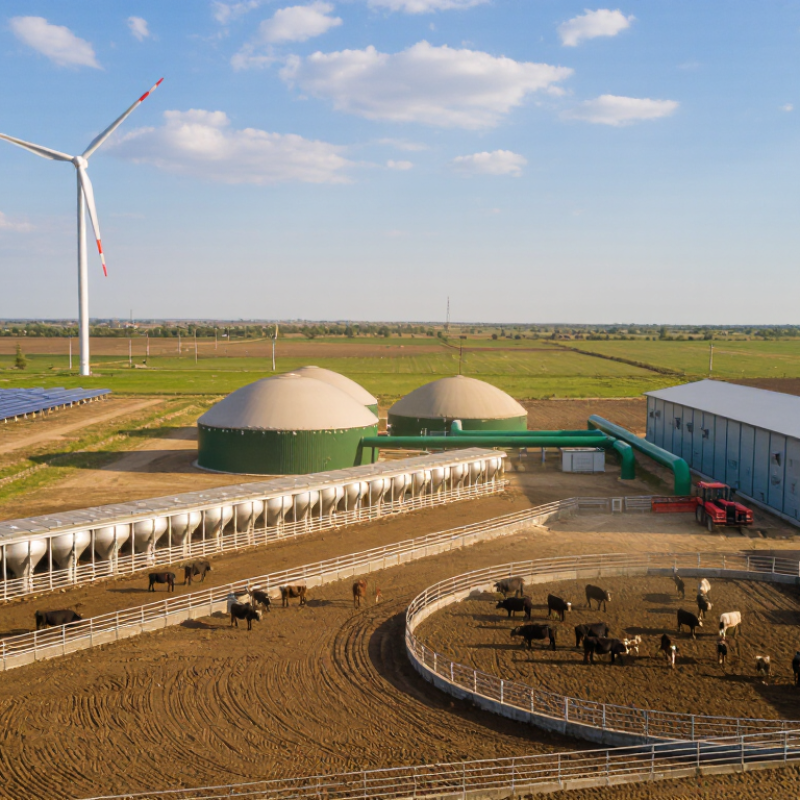
2026 Best Feedyard Renewable Energy Systems for Buyers?

What Feedyard Renewable Energy Systems Are and Why They Matter

In 2026, a feedyard renewable energy system is more than rooftop solar. It is an integrated setup designed for demanding livestock operations. Solar panels can power water pumps, lighting, ventilation, feed equipment, and monitoring devices. Batteries store daytime electricity for early mornings, cloudy periods, or unexpected grid interruptions. Some larger yards also use permitted anaerobic digesters to convert manure into usable biogas.

These systems matter because feedyards consume energy every day, often across wide, dusty areas. Reliable power supports clean water delivery, electronic identification, automatic gates, and heat management. It can also reduce exposure to changing electricity and fuel costs. At a working site, a pump failure may affect hundreds of animals quickly. Energy planning therefore becomes part of animal care, not merely an accounting decision.

Real-world performance depends on details. Dust can reduce panel output, while extreme heat can shorten battery life. Shading from buildings may weaken a promising solar layout. A professional assessment should examine energy records, roof strength, drainage, service access, and future expansion. Operators should request production estimates based on local weather, not ideal conditions. The hard lesson is simple: bigger equipment is not always better. A spreadsheet may show savings, yet ignore cleaning labor or replacement costs. Buyers need qualified engineers, transparent maintenance plans, and documented safety procedures before committing capital. Some assumptions will be wrong. Regular reviews make them visible.

How to Assess Solar, Wind, Biogas, and Hybrid Energy Options

Choosing a renewable system for a feedyard starts with its daily load, not its acreage. Record pumps, fans, lighting, refrigeration, and peak demand for twelve months. Include seasonal cattle movement.

The 2024 Lazard Levelized Cost of Energy report estimates unsubsidized utility solar at $29–$92 per megawatt-hour. Onshore wind ranges from $27–$73. These figures are benchmarks, not guarantees. Dust, shading, weak transmission, and maintenance access can change project economics. NREL’s Annual Technology Baseline offers useful assumptions for capacity factors, capital costs, and system performance.

A solar array may produce strongly at midday, while feedyard demand can rise before sunrise or after sunset. Battery storage might help, but its replacement schedule deserves serious scrutiny.

Biogas requires a different assessment. Estimate manure volume, collection losses, water use, digester temperature, and gas-cleaning needs. EPA AgSTAR guidance emphasizes stable feedstock management and operational control. A digester can provide firm power, yet it may demand more daily attention than a solar field.

Wind needs measured hub-height data, not a casual look at nearby trees. Hybrid systems can combine solar, batteries, wind, and biogas, reducing exposure to one weak resource. The International Energy Agency’s Renewables 2024 report projects renewables reaching 42% of global electricity generation by 2030. That growth does not remove site-specific risk.

I would also test the boring details: interconnection studies, backup generators, insurance, controls, and outage procedures. The spreadsheet may still be wrong. That is worth discovering early.

Key Design Factors for Feedyard Energy System Selection

2026 Best Feedyard Renewable Energy Systems for Buyers?

Key Design Factors for Feedyard Energy System Selection

A feedyard system must match daily load patterns, not just annual electricity use. Pumps, fans, lighting, grain handling, and refrigeration create different demand peaks. The IEA Renewables 2024 report recorded nearly 510 gigawatts of new renewable capacity worldwide in 2023. Yet strong generation figures do not guarantee reliable feedyard performance. Dust, heat, manure moisture, and long cable runs can reduce practical output.

Start with a 12-month load audit. Record motor starting currents, nighttime demand, and seasonal water use. Solar arrays may fit well above parking or service areas, while biogas systems depend on dependable manure collection and digestion conditions. EPA AgSTAR guidance stresses feedstock consistency, gas cleaning, safe storage, and skilled operation. These details often decide project success.

Battery sizing needs careful judgment. A battery for short outages differs from one designed for peak-cost control. NREL’s 2024 Annual Technology Baseline shows that storage economics vary with duration, location, and cycling frequency. Do not size from average demand alone. A failed assumption can leave water pumps without power.

Maintenance access also matters. Leave clear routes for loaders and electrical inspections. Protect equipment from dust and washdown spray. I would avoid promising complete energy independence without measured site data. That claim sounds attractive. It may be wrong. Buyers should compare five-year performance records, replacement costs, warranty limits, and local service capacity before approving the design.

2026 Best Feedyard Renewable Energy Systems for Buyers? - Key Design Factors for Feedyard Energy System Selection

Buyer-oriented comparison of renewable and complementary energy systems for feedyards. Values are typical planning ranges and should be verified through a site-specific load study, resource assessment, interconnection review, and financial model.

System Type Best Feedyard Application Typical Planning Range Expected Performance Primary Loads Served Key Design Factors Main Benefits Main Limitations and Buyer Checks
Solar Photovoltaic System Sites with strong solar exposure, available roof or ground area, and significant daytime electricity demand. 100 kW–5 MW+
Ground-mounted systems commonly require approximately 4–8 acres per MW, depending on layout and terrain.
Typical annual capacity factor: 18%–28% in many U.S. locations.
Useful service life: commonly 25–35 years for modules.
Water pumps, feed mills, grain handling, ventilation, lighting, offices, workshops, and refrigeration. Solar resource, land or roof loading, dust accumulation, drainage, shading, cable distance, inverter sizing, and utility interconnection capacity. Low operating emissions, modular expansion, predictable daytime production, and relatively low maintenance. Output varies by weather and time of day. Dust, soiling, storm exposure, and nighttime loads may require storage or grid support.
Solar PV with Battery Energy Storage Sites seeking peak-demand reduction, backup for essential loads, or greater use of onsite solar electricity. 0.5–20 MWh is a common planning range for commercial and agricultural projects.
Typical duration: 2–8 hours.
Battery round-trip efficiency is commonly about 85%–95% for modern systems.
Usable energy depends on depth-of-discharge limits and temperature control.
Water supply, communications, controls, security, critical ventilation, refrigeration, and selected motor loads. Critical-load definition, peak demand profile, fire protection, thermal management, enclosure location, degradation, and emergency operating procedures. Reduces demand spikes, shifts solar energy into evening hours, and can provide short-duration resilience. Higher capital cost than PV alone. Battery capacity declines over time and does not replace long-duration generation during extended outages.
Biogas Anaerobic Digestion with CHP Large operations with suitable organic feedstocks, manure management infrastructure, and a dependable need for electricity and heat. Electrical output commonly ranges from 50 kW to several MW for agricultural projects.
Biogas methane content is often approximately 55%–65%.
CHP electrical efficiency is commonly about 30%–40%.
Total useful heat-and-power efficiency can reach approximately 70%–85% when heat is effectively used.
Continuous base-load electricity, hot water, digester heating, process heat, and selected thermal applications. Manure collection rate, solids content, retention time, gas cleaning, hydrogen sulfide removal, moisture control, engine maintenance, and heat demand. Can provide dispatchable renewable energy, reduce methane release from manure, and create useful heat in addition to electricity. Requires consistent feedstock handling and skilled operation. Gas quality, permitting, odor control, digestate management, and maintenance must be addressed.
Small or Medium Wind Turbine Open, windy sites with verified wind resources and sufficient distance from buildings, roads, and property boundaries. Project scale may range from 50 kW to 2 MW+.
A professional wind assessment is recommended before purchase.
Typical capacity factor: approximately 25%–45% at favorable sites.
Performance is highly site-specific and depends on hub height and turbine class.
Continuous farm and feedyard loads, water pumping, aeration, refrigeration, and battery charging. Average and seasonal wind speed, turbulence, hub height, setback distances, foundation conditions, aviation constraints, ice or dust exposure, and service access. Can produce power during nighttime and winter periods when solar output is lower. Economic performance can be poor at low-wind sites. Noise, visual impact, permitting, wildlife review, and specialized maintenance require careful evaluation.
Renewable Natural Gas or Upgraded Biogas Large manure-based operations located near a gas pipeline, vehicle-fueling market, or contracted gas buyer. Production depends on feedstock availability and gas quality.
Upgrading typically removes carbon dioxide, hydrogen sulfide, water, and other impurities.
Biomethane can reach pipeline-quality methane specifications when treatment and monitoring are properly designed.
Production is generally continuous rather than solar-dependent.
Pipeline injection, vehicle fuel, boiler fuel, or other contracted thermal applications. Gas upgrading technology, pipeline pressure and distance, interconnection standards, compression, metering, gas quality, contracts, and environmental permits. Creates a storable and dispatchable renewable fuel and can separate energy production from electricity demand timing. Usually more complex than onsite CHP. Project economics depend strongly on gas infrastructure, offtake contracts, incentives, and feedstock logistics.
Solar Thermal Water-Heating System Operations with a steady demand for hot water, equipment washing, sanitation, or process heating. System size is commonly based on hot-water demand rather than electrical capacity.
Storage tanks are often required to match supply and demand.
Useful solar heat depends on climate and system design.
Properly designed systems can supply a substantial share of annual hot-water energy in sunny regions.
Wash-down water, staff facilities, workshops, sanitation, and digester or process heating. Hot-water profile, collector orientation, freeze protection, water quality, storage volume, backup heater integration, and pipe insulation. Reduces electricity or fuel used for water heating and can complement PV by serving thermal loads directly. Does not generate electricity. Scaling is limited where hot-water demand is intermittent or low.
Hybrid Renewable Microgrid Large or remote feedyards requiring resilience, coordinated control, and integration of multiple energy resources. Common architecture: PV + battery + grid, with optional biogas CHP, wind, or backup generation.
Capacity is determined by critical-load requirements.
System performance depends on resource diversity, control logic, storage duration, and dispatch strategy.
Islanding capability requires compatible protection and controls.
Critical water systems, communications, controls, security, refrigeration, ventilation, and selected production equipment. Protection coordination, black-start capability, load prioritization, inverter controls, cybersecurity, communications, maintenance, and utility requirements. Combines complementary resources, improves resilience, and can reduce reliance on a single energy source. Higher design and controls complexity. Requires an experienced integrator, clear operating procedures, and long-term service support.

Buyer Selection Priorities: Start with a 15-minute or hourly load profile covering at least 12 months. Separate critical loads from flexible loads, identify motor-starting requirements, measure peak demand, and document seasonal water-pumping and feed-processing patterns.

Recommended Evaluation Sequence: 1) energy audit, 2) renewable-resource assessment, 3) interconnection and permitting review, 4) preliminary equipment sizing, 5) lifecycle-cost analysis, 6) resilience and maintenance planning, and 7) competitive procurement using the same technical specifications.

Technical Note: Capacity factor, energy yield, battery life, biogas production, and project economics vary by location, climate, operating schedule, feedstock quality, utility tariff, and system controls. Final sizing should be confirmed by qualified engineers and local authorities.

How to Compare Costs, Performance, Storage, and Maintenance Needs

Buying a 2026 renewable energy system for a feedyard starts with daily demand, not equipment brochures. Record pumps, aeration fans, lighting, refrigeration, and seasonal peaks for twelve months. Compare installed cost, not just the panel or turbine price. Include wiring, foundations, permits, batteries, controls, and labor. Hidden costs matter. An experienced electrical contractor should verify load calculations and protection settings before installation. Do not trust a perfect payback forecast.

Performance must match harsh feedyard conditions. Dust, manure gases, heat, hail, and wash-down water can reduce output or shorten component life. Ask for tested efficiency, temperature limits, annual production estimates, and degradation rates. Storage comparison needs more than capacity. Check usable kilowatt-hours, round-trip efficiency, response time, ventilation, fire protection, and replacement schedules. A battery may cover evening loads but fail during a large motor start. Request load tests under realistic conditions.

Maintenance budgets should include inspections, cleaning access, software support, spare parts, and technician travel. On a working feedyard, downtime creates direct operating costs. Ask who responds after a fault and how quickly parts arrive. Keep records of service visits and energy production. Independent monitoring can expose underperformance early. Still, monitoring is not maintenance. One overlooked filter or corroded connection can undermine a carefully designed system. Leave room for uncertainty: feed demand changes, weather varies, and battery life rarely matches optimistic estimates.

What Buyers Should Check Before Installation and Long-Term Use

2026 Best Feedyard Renewable Energy Systems for Buyers?

What Buyers Should Check Before Installation and Long-Term Use

A suitable renewable energy system begins with the feedyard’s real electrical profile. Record pumps, lighting, ventilation, refrigeration, and peak demand across several seasons. Do not rely on one monthly bill. It can hide costly peaks.

Site conditions matter. Dust, ammonia, moisture, and strong winds can shorten equipment life. Inspect mounting surfaces, drainage paths, cable protection, and equipment access before signing a contract. Solar modules need clear exposure, while biogas systems require dependable manure collection and careful gas handling. Wind systems need verified wind data, not optimistic estimates.

Installation quality deserves close attention. Ask for engineering calculations, load tests, grounding records, and commissioning reports. Confirm that controls can isolate faults and protect workers during maintenance. A qualified electrician should review connections, backup power, and grid interaction. Keep documents in a shared maintenance file. Small gaps become expensive later.

Long-term use depends on service planning. Check cleaning schedules, replacement parts, software access, battery conditions, and response times for failures. Request realistic output estimates using conservative weather assumptions. Promised savings may look attractive, but feedyard demand changes with animal numbers, seasons, and water use.

Look beyond the warranty.

A system can operate well yet remain difficult to repair. Buyers should calculate monitoring, labor, insurance, and disposal costs. I would also test the supplier’s claims against local operating data. This step is often skipped, and that is understandable, but it weakens the decision. A practical buyer leaves room for imperfect weather, delayed repairs, and lower-than-expected output.

FAQS

What does a feedyard renewable energy system include?

It may combine solar panels, batteries, efficient controls, and properly permitted manure-energy equipment. These parts support pumps, lighting, ventilation, gates, and monitoring devices.

Why does reliable energy matter in a feedyard?

Reliable power keeps water moving and ventilation operating. A pump failure can affect hundreds of animals within a short time.

How should operators measure energy needs?

Complete a 12-month load audit. Record motor starts, nighttime demand, seasonal water use, and equipment peaks.

Is rooftop solar always the best option?

No. Open service areas may provide better solar space. Roof strength, shading, dust, drainage, and future expansion also matter.

What can reduce solar system performance?

Dust can cover panels like a thin gray blanket. Heat, shade, cable length, and poor cleaning access can also reduce output.

How should batteries be sized?

Size batteries for a clear purpose. Short outages, peak-cost control, and overnight operation require different storage capacities.

Can manure-based energy work for every feedyard?

Not always. It requires consistent manure collection, suitable digestion conditions, gas treatment, safe storage, and trained operation.

What maintenance details should buyers inspect?

Check routes for loaders, electrical inspection space, washdown protection, and local service support. A design can look efficient but become difficult to maintain.

Can a feedyard become completely energy independent?

Do not assume that. Weather, battery replacement, equipment failures, and seasonal demand can change the result.

Which financial details deserve careful review?

Compare five-year output estimates, replacement costs, warranties, maintenance labor, and service availability. Some spreadsheet assumptions will be wrong.

Conclusion

Feedyard Renewable Energy Systems are integrated power solutions designed to support feedyard operations with cleaner, more reliable, and potentially lower-cost energy. In 2026, buyers can evaluate solar, wind, biogas, and hybrid systems based on local resources, energy demand, land availability, environmental conditions, and operational goals. Biogas may use suitable organic waste streams, while solar and wind can provide renewable electricity, and hybrid designs can combine several sources for greater flexibility and resilience.

Selecting the right system requires a careful comparison of installation costs, expected output, energy storage, system lifespan, maintenance requirements, and backup capacity. Buyers should also review site conditions, grid connection options, permits, safety procedures, equipment warranties, monitoring capabilities, and long-term service needs before installation. A practical assessment should consider seasonal production changes, feedyard expansion plans, and the total cost of ownership rather than focusing only on the initial purchase price. With proper planning, renewable energy can support dependable daily operations while improving resource efficiency and reducing exposure to changing energy costs.


Ethan

Ethan

Ethan is a highly experienced marketing professional dedicated to helping businesses understand how thoughtful products, reliable service, and clear communication can create lasting value. With a strong understanding of the company’s solutions, he regularly researches industry trends, customer......